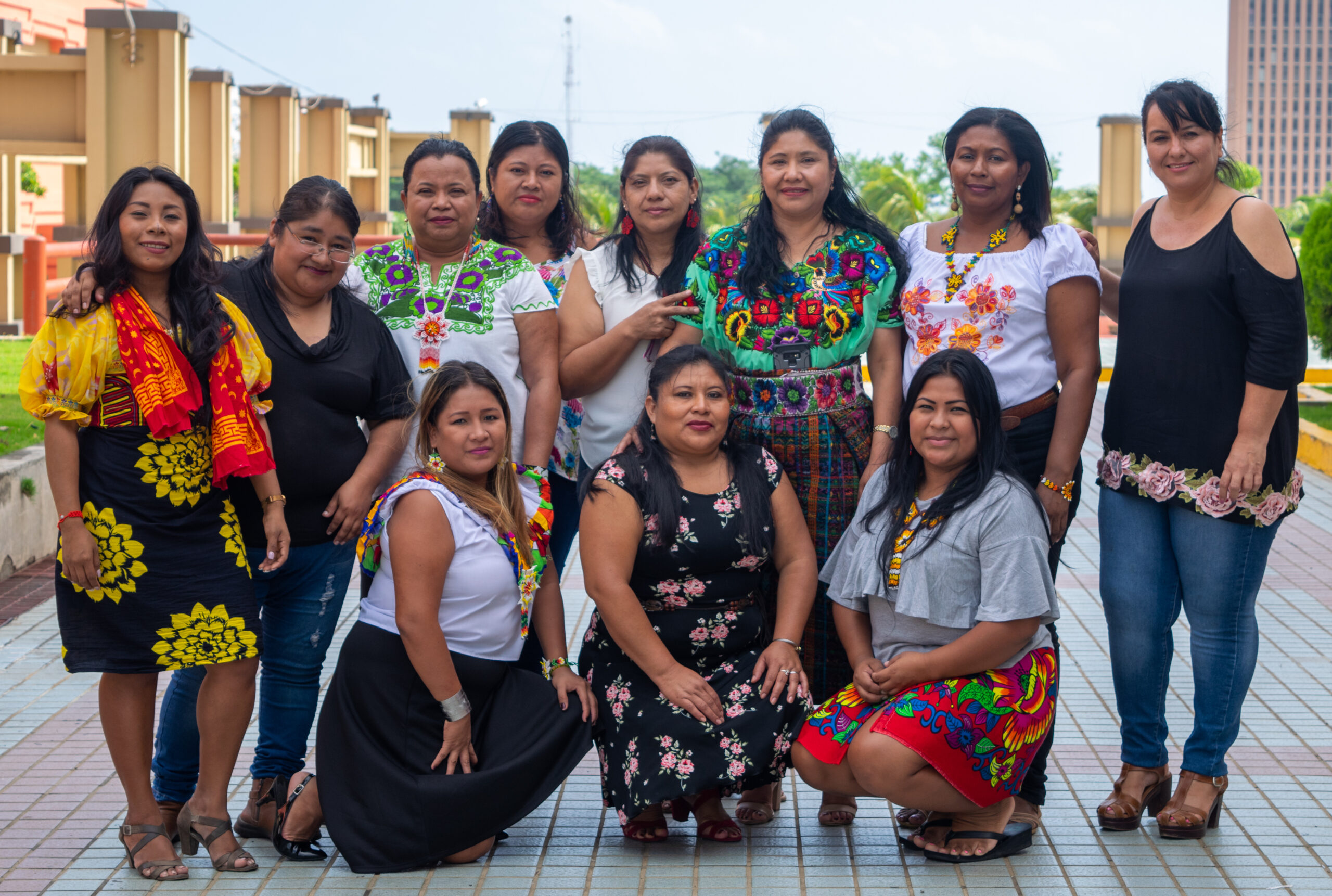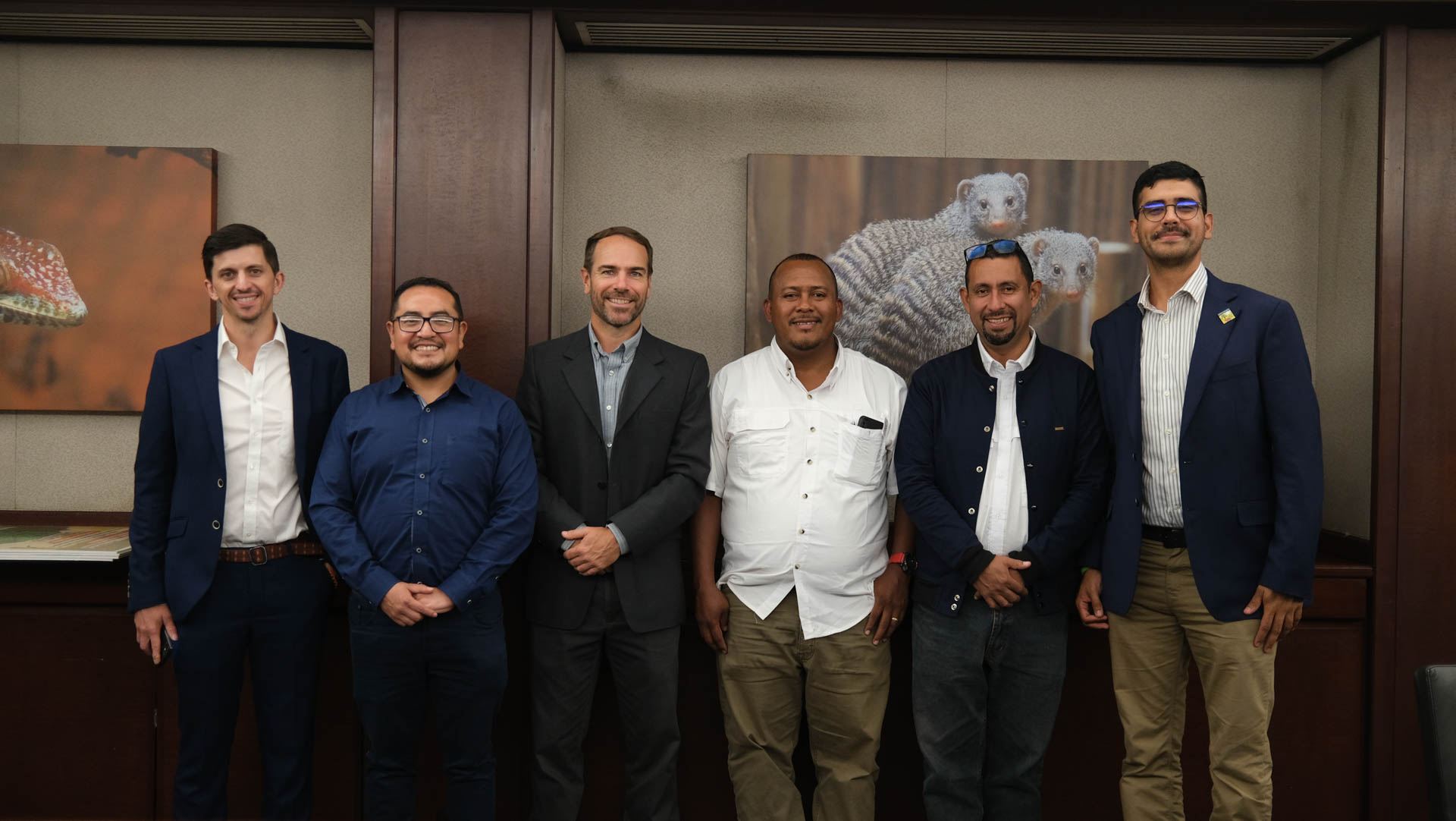
En un esfuerzo conjunto por salvaguardar la diversidad biológica y cultural de Mesoamérica, anunciamos la iniciativa «Más Árboles, Menos Vacas» en Semana del Clima de Nueva York junto a Wildlife Conservation Society (WCS), y Re:wild. Esta alianza es una forma de crear conciencia y tomar medidas enérgicas contra las actividades ganaderas ilegales en territorios indígenas y áreas protegidas.
Illegal cattle ranching in protected areas and indigenous territories in Mesoamerica has resulted in the loss of more than 20% of three of the region's largest forests in the last 20 years. It is estimated that between 1 and 2 million head of cattle are illegally smuggled each year from Nicaragua, Honduras and Guatemala to Mexico. Cattle ranching is the main threat to the physical, food and water security of indigenous peoples and local communities.
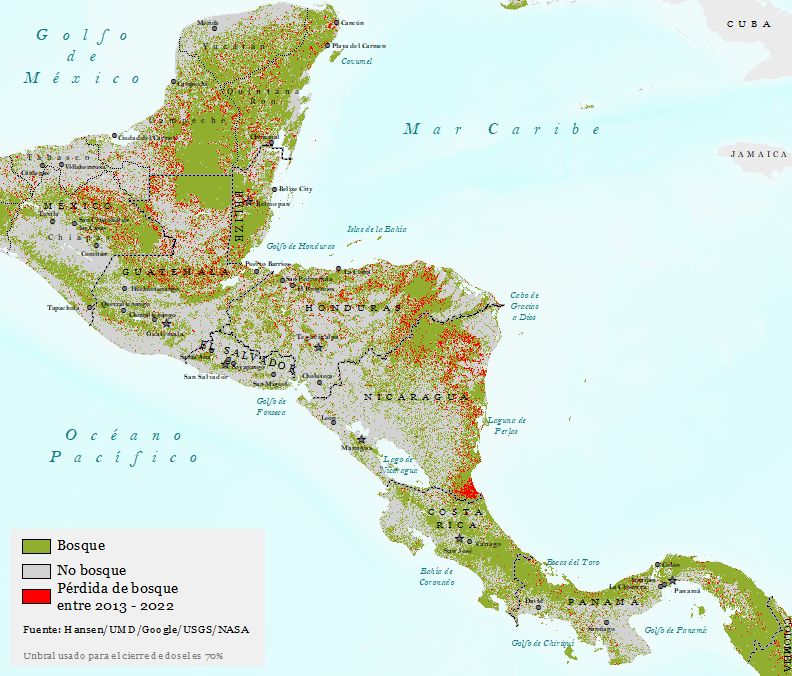
«Más Árboles, Menos Vacas» incluye la eliminación de ganado de áreas donde no está permitido, la restauración de áreas degradadas y la sustitución de ganado ilegal por alternativas sostenibles, equitativas y rentables. La participación activa de los gobiernos, las empresas y, lo más importante, de los Pueblos Indígenas y las comunidades locales, es fundamental para el éxito de esta estrategia transformadora.
The initiative seeks to increase visibility and funding for land protection, ensure policies and practices that guarantee deforestation-free beef production, and support forest-compatible food and economic systems.
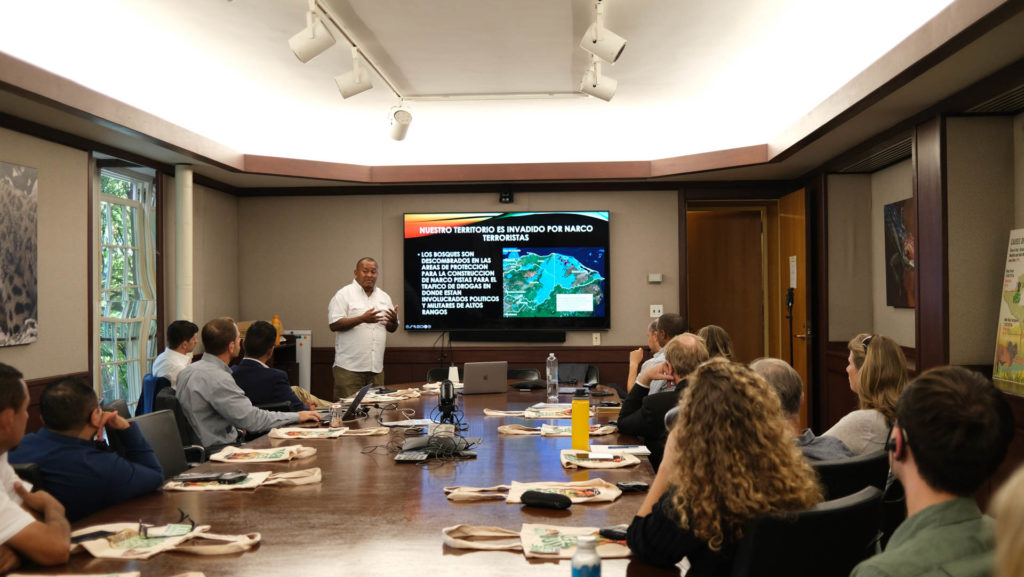
"Our ancestral leaders and grandparents have bequeathed us a territory full of greatness and wealth and we want to continue preserving it," said Elvis Greham, MASTA leader during the launch of the initiative.
Beef production has become the leading cause of deforestation in Latin America, with devastating consequences for the security, biodiversity and well-being of indigenous and local communities. In the struggle for land use, indigenous leaders often face violence and forced evictions.
View this post on Instagram
View this post on Instagram
About our allies
Wildlife Conservation Society (WCS)
WCS combines the power of its zoos and an aquarium in New York City, along with a Global Conservation Program in more than 50 countries, to achieve its mission of saving wildlife and wild places. WCS runs the world's largest conservation field program, protecting more than 50 percent of the Earth's known biodiversity, in partnership with governments, Indigenous Peoples, local communities and the private sector. Its four zoos and aquarium (the Bronx Zoo, Central Park Zoo, Queens Zoo, Prospect Park Zoo and New York Aquarium) welcome more than 3.5 million visitors each year, inspiring generations to care for nature. Founded in 1895 as the New York Zoological Society, the organization is led (as of June 1, 2023) by President and CEO Monica P. Medina. Visit: newsroom.wcs.org. Follow: @WCSNewsroom. For more information: +1(347) 840-1242.
Re:wild
Re:wild protects and restores wildlife. We have a singular and powerful focus: wildlife as the most effective solution to the interconnected crises of climate, biodiversity and human well-being. Founded by a group of renowned conservation scientists along with Leonardo DiCaprio, Re:wild is a force multiplier that brings together Indigenous Peoples, local communities, influential leaders, non-governmental organizations, governments, businesses and the public to protect and repopulate at the scale and speed we need. Learn more at rewild.org