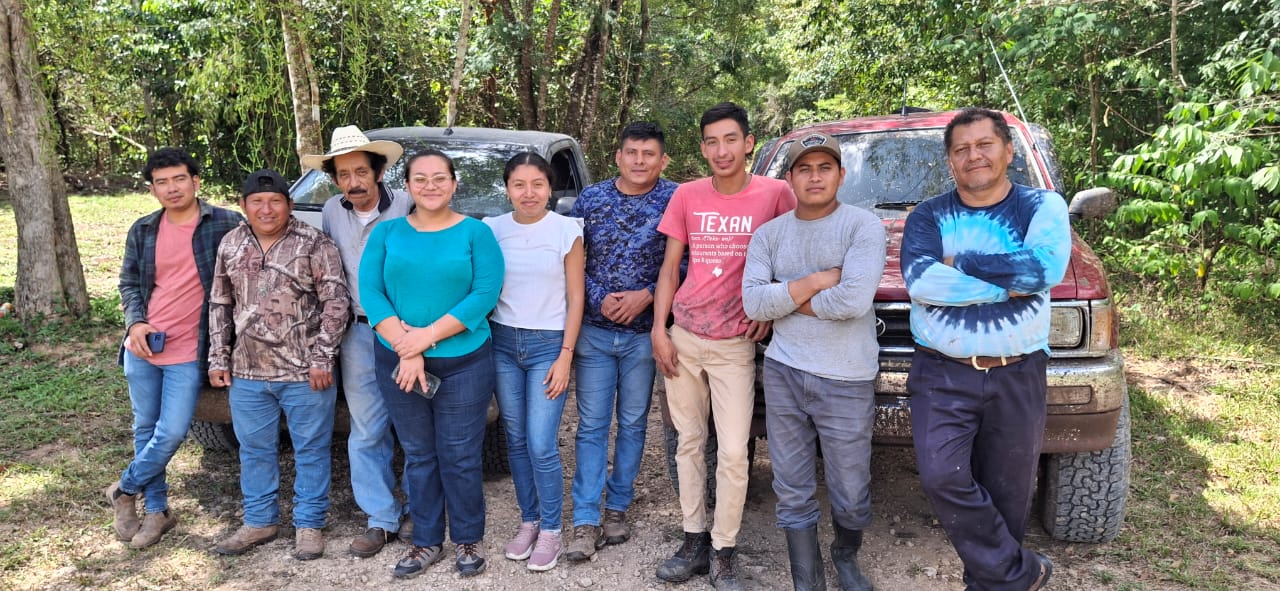


En abril de 2023, se estableció el “Grupo de Trabajo de Carbono Forestal de la AMPB” con el objetivo de reflexionar y desarrollar una visión colectiva sobre las iniciativas de mercado de carbono en la región mesoamericana. Este grupo, compuesto por líderes y lideresas territoriales con experiencia en REDD+ y temas relacionados, se formó durante el “Encuentro Regional” celebrado en marzo de 2023 en San José, Costa Rica.
Tras identificar barreras para la integridad de los créditos de carbono y profundizar en el programa LEAF, el grupo definió los ejes estratégicos y líneas de acción de la AMPB en los mercados de carbono. El grupo funciona como un espacio clave para el análisis exhaustivo del alcance de estas iniciativas, con el objetivo de asegurar los derechos de los Pueblos Indígenas y comunidades locales en los mercados voluntarios y jurisdiccionales del carbono, contribuyendo así a prácticas más éticas y equitativas para la sostenibilidad ambiental.

It is a tool designed to foster fair and transparent dialogue between governments, international actors and the communities that manage Mesoamerican forests. Based on compliance with social and environmental safeguards, the guide seeks to ensure that carbon projects respect the rights of local communities, promoting their active participation in decision-making and ensuring an equitable distribution of the benefits derived from these projects.
However, it is important to recognize that the mechanisms and tools proposed by ART TREES to certify these credits are not sufficient to guarantee our rights in the carbon market. It is essential to continue working on the development of more robust and transparent mechanisms that protect our rights and meet the expectations of both the countries and the communities involved.
From 2020 onwards, some companies have started to buy carbon directly from countries, but the lack of control in some cases and the need to substitute functions that should have been performed by ENAREDD+ in terms of safeguards have led to the emergence of what is now known as "High Integrity Carbon Credit Certification", in which initiatives such as the LEAF Coalition are playing an important role.
However, it is important to recognize that the mechanisms and tools proposed by ART TREES to certify these credits are not sufficient to guarantee our rights in the carbon market. It is essential to continue working on the development of more robust and transparent mechanisms that protect our rights and meet the expectations of both the countries and communities involved.
El caso de Guatecarbon revela cómo las concesiones forestales comunitarias de Petén, Guatemala, se han convertido en un ejemplo de buenas prácticas para frenar la deforestación y enfrentar el cambio climático. También muestra el papel pionero de los pueblos indígenas y comunidades locales en el mercado voluntario de carbono y en programas REDD+ a nivel jurisdiccional.
Este estudio realizado por la Asociación de Comunidades Forestales del Petén y RainForest US,destaca que, a pesar de no contar con una titularidad de tierras plenamente reconocida, las comunidades de la Reserva de la Biosfera Maya han logrado algo clave: el reconocimiento sobre las reducciones de emisiones generadas en sus territorios, lo que ya se traduce en pagos por resultados dentro del programa nacional de Guatemala.
Follow us on our networks

Contact us:
Networks: