By Dina Juc - Area ofLaw and Culture, Mesoamerican Alliance of Peoples and Forests
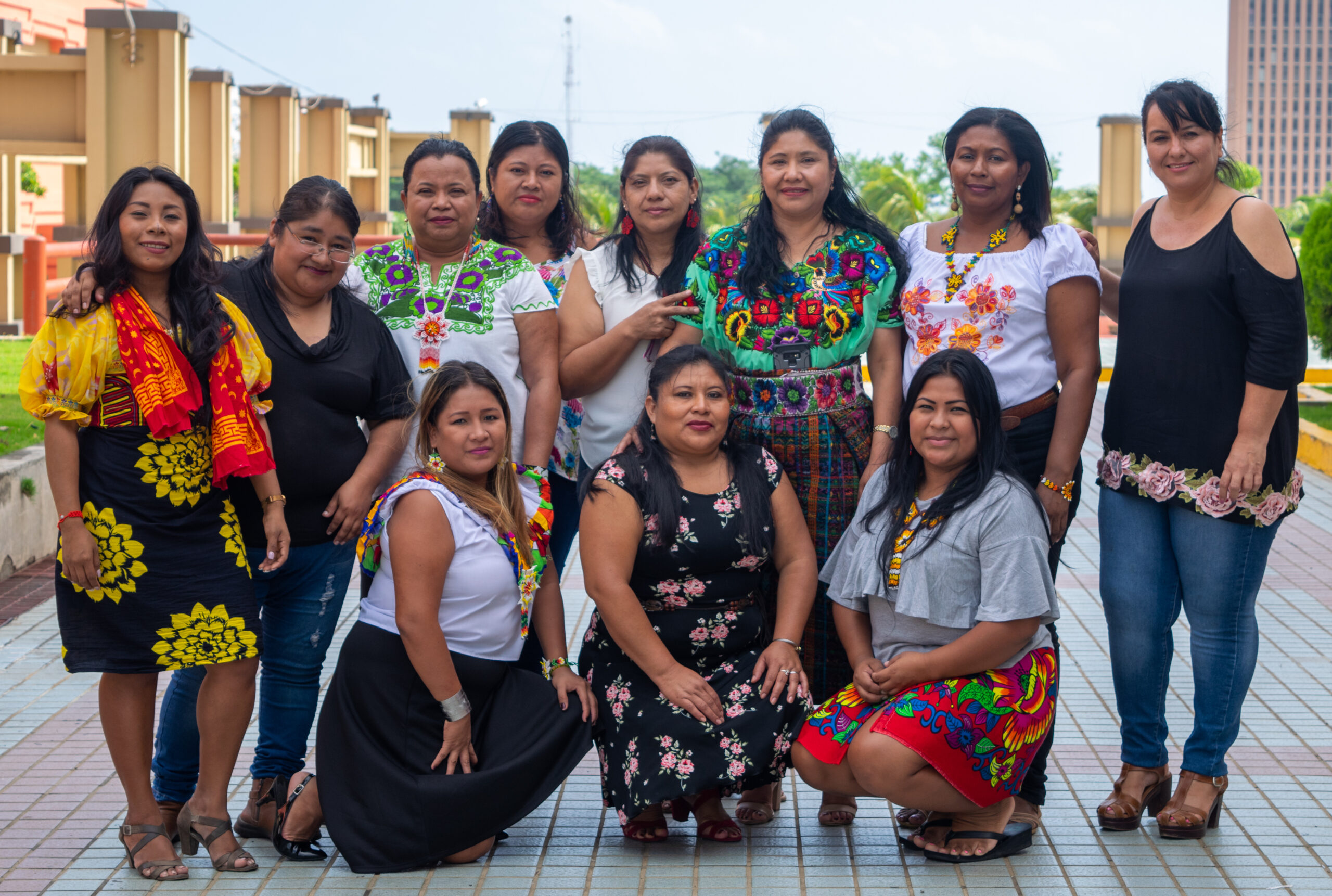
In the framework of World Environment Day, indigenous peoples remind the world, international organizations and governments that 80% of the planet's biodiversity is located in our territories and is thanks to the spiritual, cultural, social and economic relationship that we have maintained with the earth for centuries. However, indigenous peoples and this biological diversity are in great danger while, at the global level, climate negotiations, dialogues and agreements between parties, international organizations, environmental NGOs and indigenous organizations are advancing. It is worrying to see that the violation of the human rights of indigenous peoples and the environment is increasing.
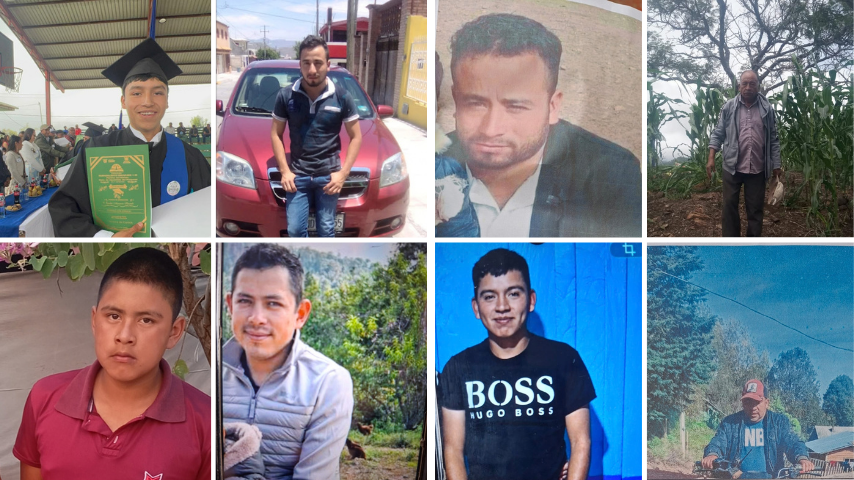
The 2021 report by the international organization Global Witness, shows that, "as the climate crisis intensifies, so does the violence against those who protect their land and our planet. It has become clear that the irresponsible exploitation and greed driving the climate crisis is also driving violence against land and environmental defenders." In 2020, "227 lethal attacks were recorded, setting an average of more than four people killed per week and making it, once again, the most dangerous year on record for people defending their homes, land and livelihoods, as well as ecosystems that are vital to biodiversity and the climate," he says.
Meanwhile, our indigenous peoples and leaders sustain a long struggle; we work tirelessly on the front line to maintain the little natural wealth and biodiversity on which the planet depends, we are assassinated and criminalized. Our territories are granted under licenses authorized by governments and environmental ministries to large companies, agribusinesses and transnationals dedicated to monoculture plantations, thus displacing our peoples, guardians of life and the earth, without being consulted or complying with the process established by The Declaration on the Rights of Indigenous Peoples.. The Declaration requires States to consult and collaborate in good faith with indigenous peoples in order to obtain our free, prior and informed consent before adopting and implementing legislative or administrative measures that may affect us.
A few days before the fifteenth meeting of the Conference of the Parties to the Convention on Biological Diversity Convention on Biological Diversity and a few months before the commemoration of the International Day of Indigenous Peoplesthe violations harmful to the human rights of indigenous peoples and their territory do not stop, countless complaints and lawsuits are shelved. Indigenous peoples are unable to defend our territory against the massive and systematic invasion and dispossession of our lands and resources because of the 80% of the biodiversity and forest mass protected in our territory. We are legal owners with title deeds to only 11% of these lands.
To governments and international organizations that are guarantors of human rights and the environment, we call on them not to move forward with climate negotiations and agendas as long as the main actors and protectors of life do not are not We call on governments and international organizations that are guarantors of human rights and the environment not to move forward with climate negotiations and agendas as long as we, the main actors and protectors of life, are not truly represented in decision-making, and as long as we are not guaranteed full and effective participation.
On World Environment Day, the indigenous peoples of the Mesoamerican region continue to raise our concerns:
- States, international cooperation agencies and organizations that are guarantors of human rights and the environment, to create spaces for the effective participation of indigenous peoples and their legitimate representatives in global platforms for dialogue and decision-making related to indigenous peoples, climate change and other climate negotiations. These events must be coordinated directly with indigenous peoples and our legitimate representatives, and we must be treated with dignity and inclusiveness as partners in climate negotiations at the global level and in each country to which we belong.
- We demand justice and an end to the persecution of women and men leaders and ancestral authorities of our peoples for defending the land and natural resources.
- A real inclusion of our Peoples in the climate negotiations is urgent, allowing us to participate in the evaluations and monitoring of COP activities.
- Direct financial support for our territories is urgently needed. This would be a worthy statement to all the efforts we make every day in the protection and conservation of the environment, biodiversity and life.
- The recognition and protection of our rights as indigenous peoples and of our territory, as well as the respect, valuation and key inclusion of our traditional and ancestral knowledge in the protection of biodiversity and the environment.
- The restitution of our ancestral and territorial rights over our lands, the recognition and respect by the States of these restituted rights.
- We are concerned that the human right to water is still not guaranteed to indigenous peoples and that governments do not show political will to address the demands and manifestations of violation of rights that we suffer and that our rivers suffer. It is evident that there is an increase in the diversion of rivers, the grabbing and pollution that mining companies, agribusiness, hydroelectric and others are causing, thus achieving negative and irreversible impacts against the ecosystems and the population. The indigenous peoples are subject to regulations that regulate the use of water in a commercialized and industrialized manner.
- Full and effective inclusion of our peoples through our leaders in the discussions on the declaration of the international agreement known as "30×30″ that seeks to protect 30% of the planet's land and sea surface by 2030. The agreement commits signatory countries to work to halt the accelerated loss of species and natural areas, during the last meetings of the Convention on Biological Diversity, environmental organizations and NGOs have pressed dialogues for the fulfillment of this goal of the Global Biodiversity Framework. Dialogues where indigenous peoples are not represented as key actors in these discussions, having clarity that from our territories we fight every day to stop the accelerated loss of species and natural areas through our ancestral, millenary and traditional practices based on the spiritual, cultural, millenary philosophy, social and economic relationship with the land. Indigenous peoples are concerned that we are not in dialogues that are organized on protected areas as a strategy to achieve the fulfillment of these goals in the global framework of diversity. It is not possible for progress to be made in these dialogues when, for indigenous peoples, the methods and the imposing declaration of protected areas have represented dispossession, violent evictions of entire communities in our territories, violation of human rights, criminalization, assassinations, persecution and repression against our peoples and our authorities. The international declaration of this agreement can be used in a perverse way against our peoples, benefiting the usual sectors. State authorities, environmental organizations and NGOs make decisions without guaranteeing our full and effective participation, violating our rights to Free, Prior and Informed Consent (FPIC) among other rights by not being considered partners in dialogues and the search for solutions.
Indigenous peoples have been making demands for centuries, filing complaints without being heard, while climate negotiations and discussions between officials and NGOs move forward. It is important to understand that, while our territories and our lives are at risk, we cannot continue to protect the biodiversity and the environment on which the future of humanity depends. The limited and sporadic participation that we are offered in the spaces of decision-making and climate actions are not enough, it is urgent to enable a greater space for the voices and contributions of our peoples to be truly represented.
We want to recall that despite so many climate negotiations and agreements ratified at the international level, indigenous peoples continue to struggle against the effects of climate change, a crisis that grows day by day caused by a minority that is enriching itself without understanding that it is urgent to transform the economic vision and the development model proposed until today. A model that has caused the loss of large tracts of forests, extinction of animals and plants, massive pollution, development for the few while poverty among the indigenous population worsens, in addition to the systematic attack against those who defend life and try to prevent the further destruction of natural resources. It is painful for our peoples to continue losing brothers and sisters who protect life. Reality has shown that the lethal attacks that our peoples suffer are mostly against our male leaders. However, "women who act and demonstrate also face gender-specific forms of violence, criminalization, including sexual violence. Women often face a double challenge: the public struggle to protect their land and the often invisible struggle to defend their right to demonstrate within their communities and families." Data supported by Global Witness reports and research.