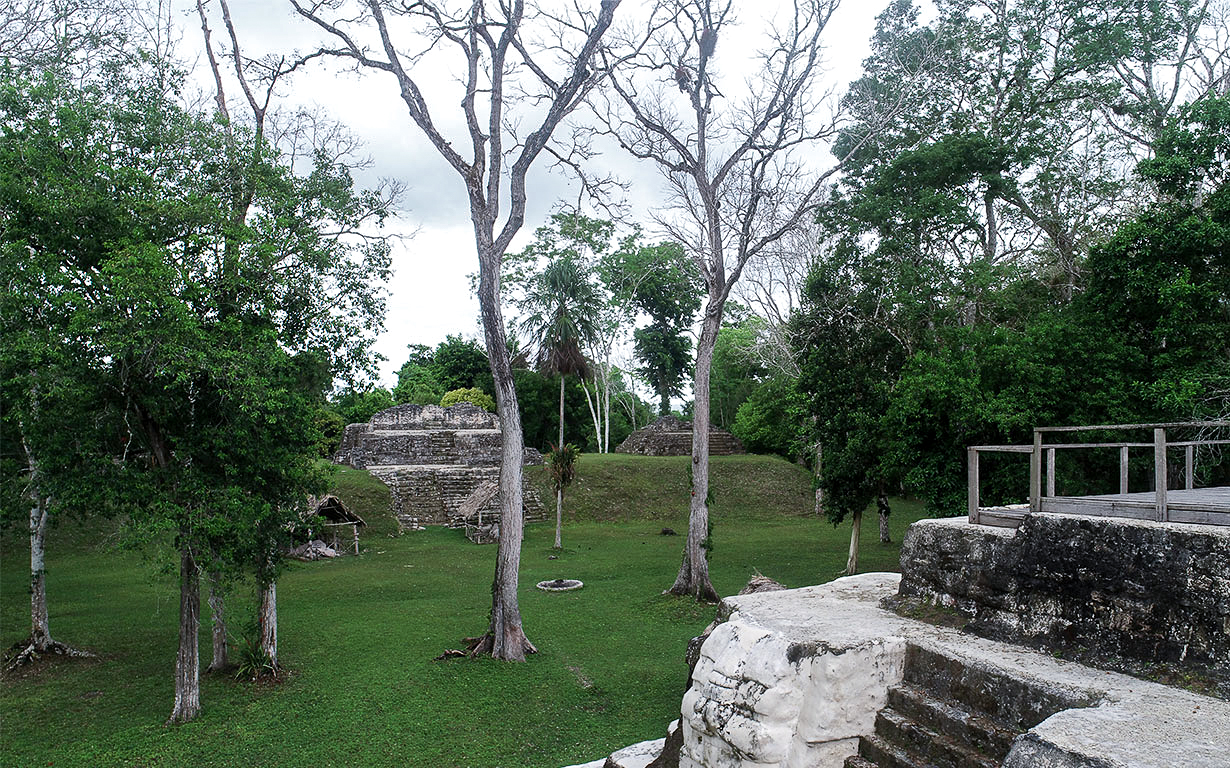
Guatecarbon will become the first community project in Guatemala to be paid under the World Bank's FCPF scheme
The Forest Carbon Partnership Facility (FCPF) approved Guatemala's entry as a signatory to the Emissions Reduction Purchase Agreement (ERPA) with the World Bank. In session on June 17, the body announced its no objection to Guatemala becoming part of its carbon portfolio.
With this decision, Guatecarbon will become the first community project on Guatemalan soil to be part of this emissions reduction payment scheme. Guatecarbon is a project of the Asociación de Comunidades Forestales de Petén (ACOFOP) in conjunction with Guatemala's Consejo Nacional de Áreas Protegidas (CONAP), created to address the need for climate change mitigation actions related to greenhouse gas (GHG) emissions. The initiative is based on the methodology of the FCPF Methodological Framework and the mechanisms established by the United Nations REDD+ program.
ACOFOP, in addition to participating in the National Emissions Reduction Program with its Guatecarbon project, also participates in the FCPF as an elected observer on behalf of Latin American civil society. From this role has contributed in the construction of spaces for participation for Indigenous Peoples and local communities, the construction of local capacities and the follow-up to the schemes, monitoring, reporting and verification and distribution of benefits from the Free, Prior and Informed Consultation, among others.
"For Guatemala, this is a milestone because it marks the entry into compliance with the Paris Agreement and national emission reduction commitments. This is because 95% of the emission reductions that Guatemala will deliver to the FCPF committed in the ERPA (10.5 million tons of CO2e) will be returned to the country by the World Bank to comply with the NDCs (Nationally Determined Contributions)."
Sergio Guzmán, who represents ACOFOP in this space.
Guatemala joins a list of fifteen countries to sign an ERPA with the World Bank, which will be able to access a payment for results of REDD+ activities. Costa Rica and the Dominican Republic are the other countries in the region on the list.
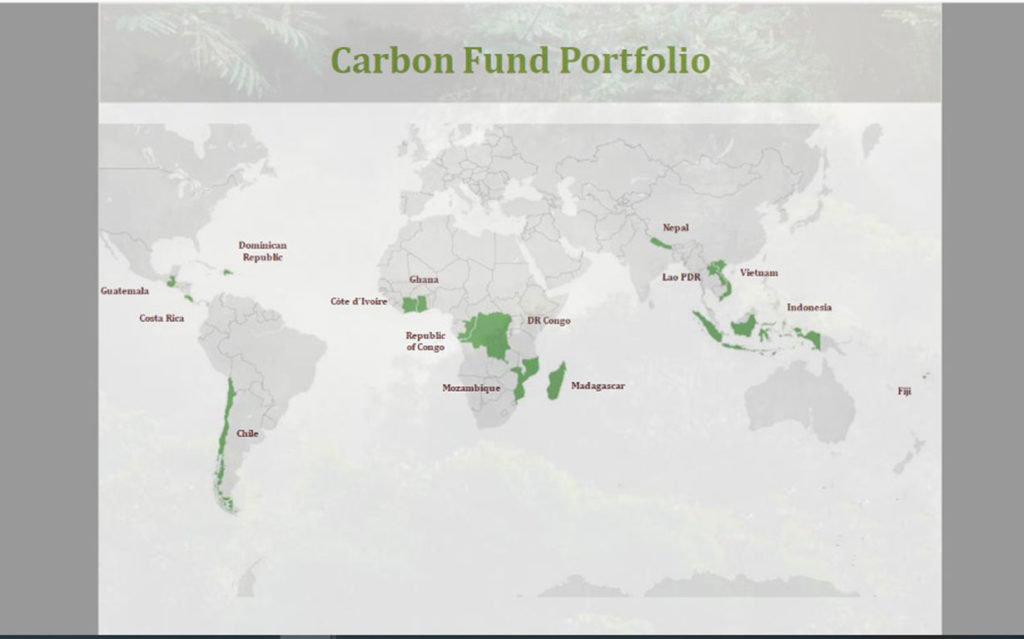
The contract with Guatemala (ERPA) is for 10.5 million tons of CO2e at a price of US$5 each, which represents US$52.5 million for the country over a five-year period (2020-2025). The country is in the process of preparing its monitoring report with support from the Inter-American Development Bank (IDB). The signing is projected to take place in August 2021, once all requirements have been completed by the Government of Guatemala. The World Bank's carbon fund expires on December 31, 2025.
An ERPA is a legally binding contract that allows one party to deliver verified carbon credits to another; that is, to pay a government, community or company once it has generated a decrease in greenhouse gases (GHG), according to a series of requirements and conditions.
Call for renewal of community forestry concessions
At the June 17 session, Rights + Resources (RRI) and the Global Land Alliance (GLA) presented the FCPF with a study highlighting ACOFOP's forest concession model in Petén Guatemala as a successful example of community forest management and governance, as well as collective rights and sustainable use.
The study places the renewal of concession contracts in Petén as a priority in Guatemala and as an example to follow in Latin America.