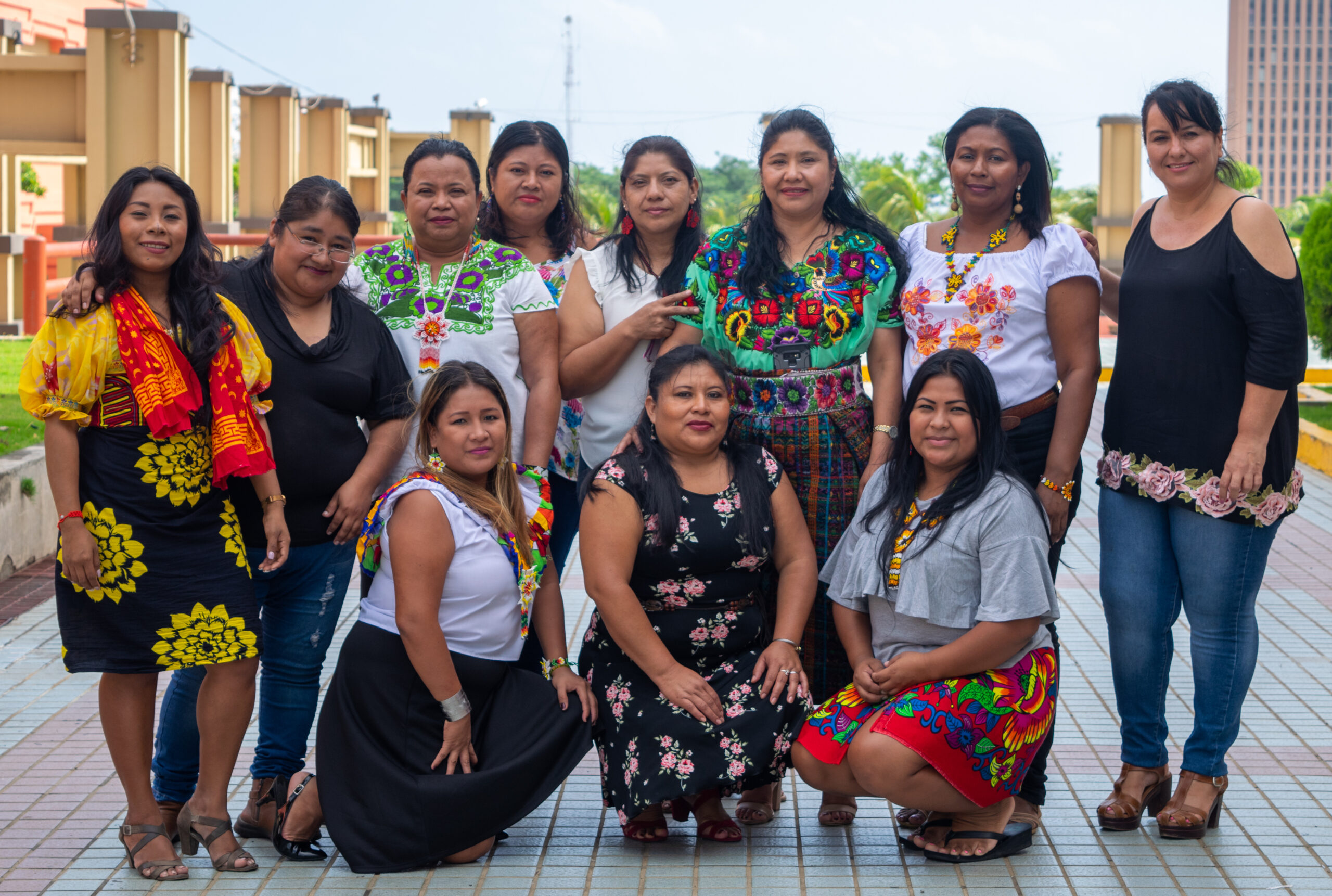
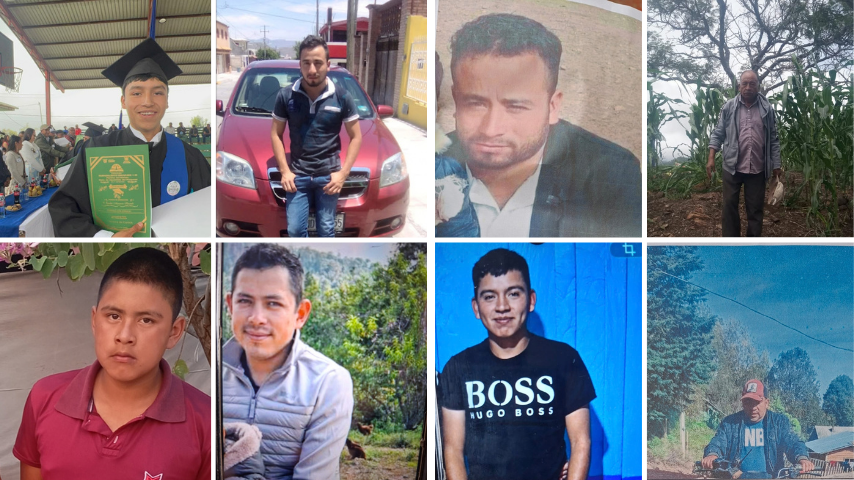
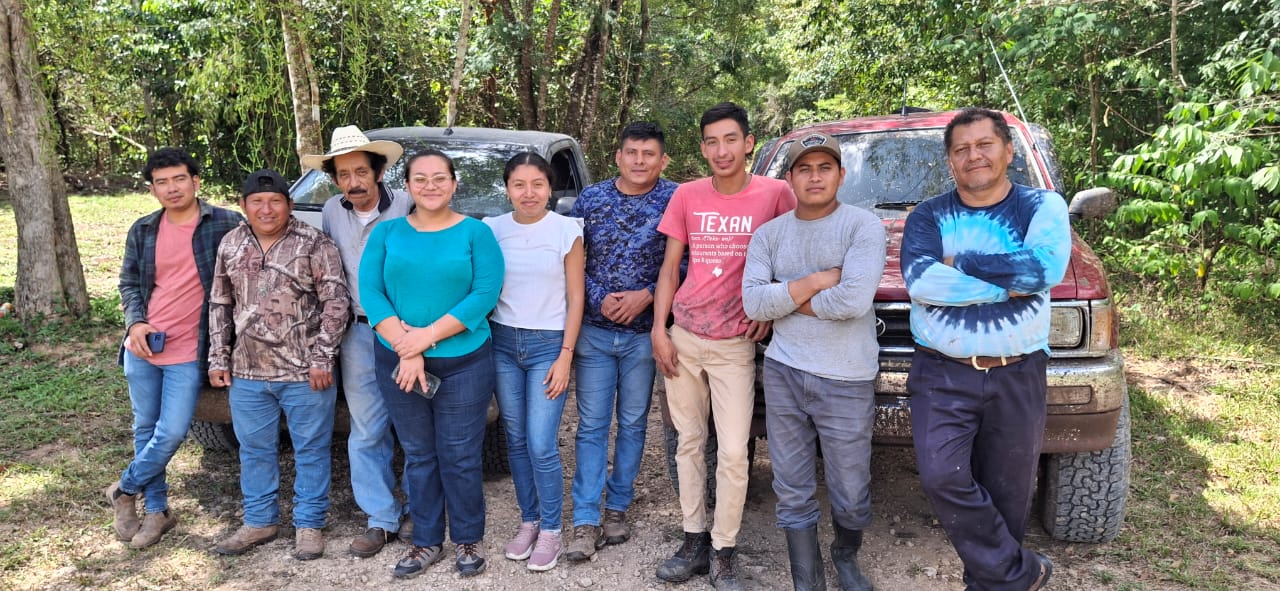
The Mesoamerican Territorial Fund (FTM) benefited 16,952 people in 228 communities in its pilot cycle. These communities are distributed among 7 indigenous peoples' organizations and 2 local organizations. The results were released on September 22, during the launch of the Shandia initiative during Climate Week in New York.
The FTM is an alternative financial mechanism, managed directly by indigenous peoples and local communities, that is, by those of us who live in and sustain the last great forests and natural territories in six countries of Mesoamerica. It was born as an initiative of the Mesoamerican Alliance of Peoples and ForestsAMPB), formed by indigenous and local community organizations living in different territories and tropical forests in the region. Its objective is to contribute to the protection of biodiversity, the fight against climate change and the degradation of nature, for which we promote the strengthening of governance, rights and indigenous and community enterprises.
The Fund supports strategic initiatives, defined by the communities themselves, that have the potential to be replicable, scalable or to become public policy. Among the different thematic funding windows are:
- Climate change, nature degradation and biodiversity protection
-
Land and forest rights
-
Indigenous and community economic and productive enterprises
-
Projects for women
-
Youth projects
-
Support for emergencies and opportunities
Currently, the initiative is in the incubation phase, for the adjustment and formalization of the governance system and deepening of local participation, as well as for the conclusion of partnerships and commitments of financial resources for the following phases. See the FTM brochure for more details on the results of the first pilot cycle of projects during 2020-2021:

Governance and evaluation
The FTM is governed by a 7-person Board of Directors, composed of 4 members of the AMPB and 3 independent persons (approved by the AMPB Board of Directors). At least 3 women must be members. Our Executive Management reports to the Board of Directors.
The Fund has Territorial Base Committees, located in the territories in each country that are within the scope of the AMPB. Each of these committees is made up of representatives of the different community and thematic social bases in each territory (women, youth, community entrepreneurs and general issues). Their function is to identify, by consensus, project ideas and profiles for possible investment in their respective territories, in response to a call for proposals issued by the Fund's Technical Committee for Regional Selection and Verification.
In addition, the Fund's Technical Verification and Validation Committee is composed of 5 members (one community woman, one community youth, one person from the Alliance's technical team and 2 independent experts). This committee validates the proposals through specific criteria, according to the call for proposals, verifying the eligibility of the proponents, the expected strategic impact and their administrative, financial and technical feasibility.
Finally, the Fund's Administrative and Technical Financial Unit is headed by the Executive Director. It is composed of a team that, in addition to having professional experience, has practical knowledge and a track record of supporting our community organizations. It provides support to communities with less experience in the technical implementation and administrative management of projects, and with less access to technology.
The monitoring system combines internal self-evaluation with external and independent evaluation. The Fund is subject to independent and transparent audit and evaluation so that all stakeholders know how well all aspects are working and whether they still need to be changed. We integrate people from outside the AMPB into our governance as a mechanism to ensure transparency in decision making and neutrality on funded projects.
Shandia Initiative
The Shandia Shandia initiative is the platform created by indigenous peoples and local communities to secure and facilitate access to direct funding for actions to curb climate change and land degradation and for the protection of biodiversity by local organizations. The Global Alliance of Territorial Communities (AGCT), of which AMPB is a member organization, thus forms an ecosystem of regional mechanisms (such as the FTM) to channel global funds.