On November 11 at CoP27, 41 grassroots women's organizations from Asia, Africa, and Latin America launched a new advocacy network called the Global South Women's Alliance for Tenure and Climate..
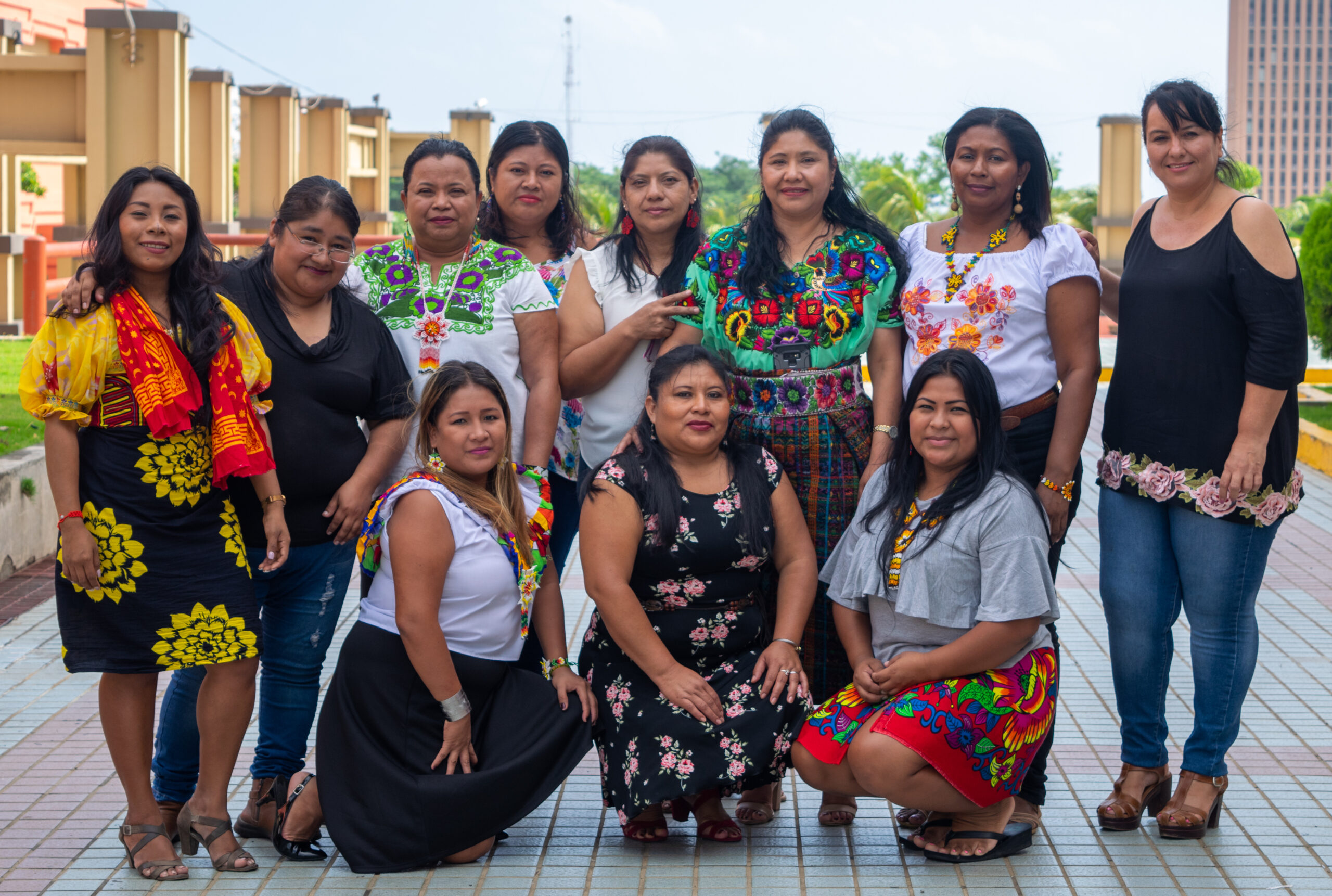
The Alliance is comprised of women's organizations, groups and associations in the Global South working to increase direct climate finance for Indigenous, Afro-descendant and local community women and girls. Its mission is to advocate for equitable changes in the current government and donor climate finance architecture and global financing space to secure direct, flexible, long-term funding for women's and girls' tenure rights priorities, movements and agendas.
" Indigenous, Afro-descendant and local community women and girls must be leaders of climate action, not victims of climate policies." said Archana Soreng a youth climate activist from the Kharia tribe in India and a member of the UN Secretary-General's Youth Advisory Group on Climate Change.
"Climate finance must not leave behind indigenous, Afro-descendant and local community women and girls. We are working on a global issue that needs global perspectives and that is what the formation of this new women's alliance is all about."
The historic USD 1.7 billion commitment made at UNFCCC CoP26 in Glasgow last year by governments and donors made at UNFCCC CoP26 in Glasgow last year by governments and donors in support of the collective and territorial rights of Indigenous Peoples and local communities was a step in the right direction. However, if this commitment is to redress the historic gap in direct funding given to Indigenous Peoples and local communities, it must also address the rights of women and girls within these communities whose direct access to funding has been severely limited.
Governments around the world also committed billions of dollars last year to gender equality and climate change. Canada committed US$3.9 billion (CA$5.3 billion) in climate investments over the next five years to fund projects by civil society, indigenous and other organizations to adapt to climate change in the global South. The United Kingdom is working to establish how its commitment of US$193 million (£165 million) (£165 million) will address the twin challenges of gender equality and climate change. In the USA, at least US$14 million has been dedicated to gender-responsive climate programming. to gender-responsive climate programming.
But research analyzing funding commitments and outcomes over the past decade paints a bleak picture. In 2018, the Intergovernmental Economic Organization (OECD) found that nearly US$10 billion went to civil society organizations fighting for gender justice. However, only 8% of these funds went to organizations working in developing countries, and only a fraction of this reportedly went directly to grassroots women's rights organizations.
In fact, indigenous women's organizations received only 0.7% of all received only 0.7% of all human rights funds registered between 2010 and 2013, despite between 2010 and 2013, despite using, managing and conserving community territories that comprise over 50% of the world's land. more than 50% of the world's land .
"Even when funding reaches indigenous, Afro-descendant and local women's organizations, it tends to be inadequate and short-term." said Omaira Bolaños director of Gender Justice and Latin America Programs at Rights and Resources Initiative.
"The Global South Women's Alliance for Tenure and Climate is a grassroots advocacy network urging donors and governments to rectify this historic gap in access to direct climate finance for women and girls. The Alliance, which includes women's groups from 21 countries in the Global South, makes visible the leadership role these women have been playing in conservation and climate action for centuries."
New research by the Rights and Resources Initiative (RRI) and the Rainforest Foundation of Norway by the Rights and Resources Initiative (RRI) and the Rainforest Foundation Norway identified a similar pattern in which only 32% of indigenous and local community tenure and forest management funding included a gender-related keyword, despite the essential role that women and girls play in forest management and their notable exclusion from many governance structures and decision-making spaces.
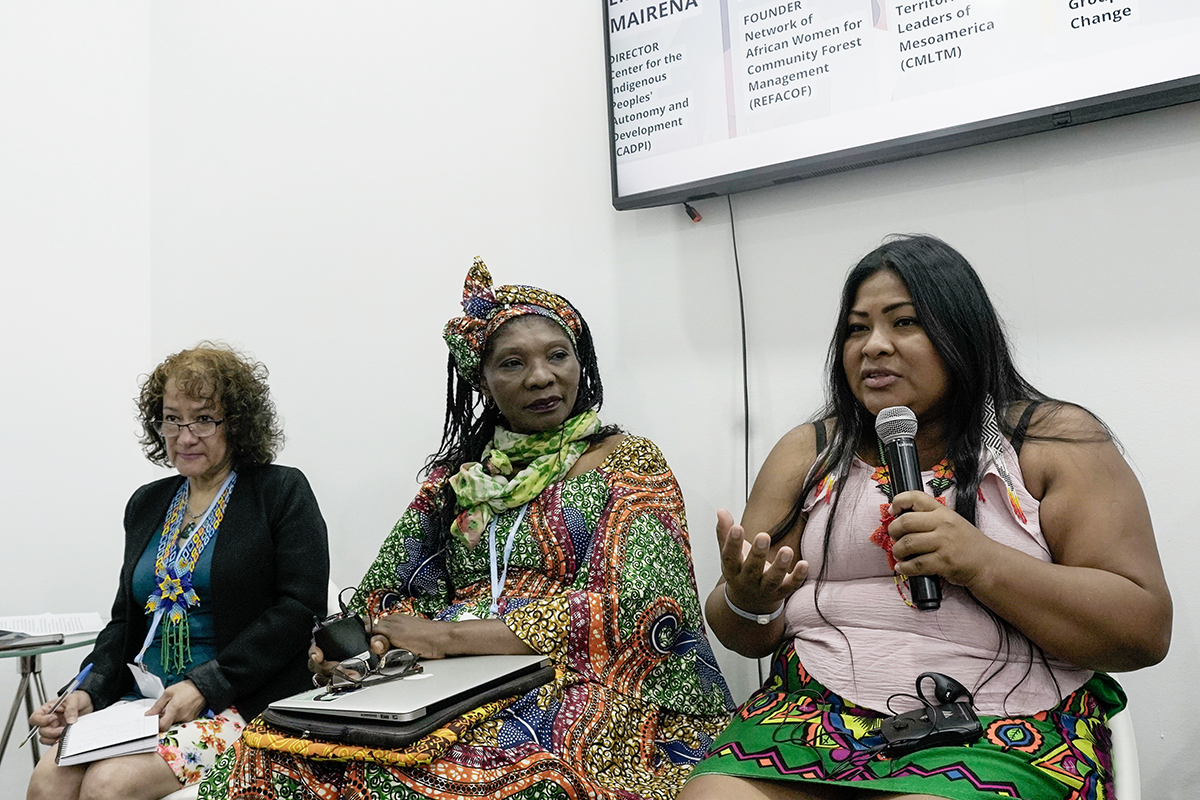
"The Alliance aims to build on the recommendations of. Our Call to Action to engage in dialogue and influence donors and governments to ensure that committed funds reach communities on the ground, and especially women and girls who often do the heavy lifting when it comes to to climate action." said Sara Omi Embera leader from Panama and President of the Coordinadora de Mujeres Líderes Territoriales de Mesoamérica.
" Climate finance must not make invisible the invaluable role played by indigenous, Afro-descendant and local community women and girls in climate action, preserving traditional knowledge and livelihoods, restoring ecosystems, and supporting human rights and tenure movements, " said Cécile Ndjebet, founder of the African Women's Network for Community Forest Management (REFACOF) in Cameroon and winner of the Wangari Maathai Champions of Forests 2022 award.
Learn more about FOMUJER a fund created for indigenous and community women who inhabit and care for the forests of Mesoamerica, with the objective of strengthening their economic capacities, improving their participation in local governance processes and reducing their vulnerability to climate change.