Context of the Meeting
Desde los acuerdos de constitución de la Convención Marco de Naciones Unidas sobre Cambio Climático (CMNUCC) y sus homólogas de Biodiversidad (CBD) y de Lucha contra la Desertificación en la Cumbre de Río en 1992, se registró en diferentes documentos la expresión de «Comunidades Locales» para hacer referencia, de manera general, a colectividades que habitaban en los territorios de todas las regiones y que eran diferentes a los pueblos indígenas.
The term local communities has increased significantly in the last two decades, especially in the context of global biodiversity and REDD+ processes, and the right to full and effective participation in processes that may affect them directly has been recognized in different documents, such as the Cancun Safeguards.
The following groups, among others, have been identified as local communities:
- Indigenous peoples in countries where the legal framework does not recognize their existence.
- Collectivities with a different ethnicity than indigenous peoples and that may have diverse activities such as agriculture, grazing, fishing, gathering, management and use of forests, among others, and that play a fundamental role in the governance of their territories.
- Collectivities with indigenous roots that for various reasons, such as colonization processes, forced migration or recent extractivist projects, have lost their identity and have sometimes been displaced from their original territories.
La adopción del término «comunidades locales» ha tenido un efecto positivo para que estas colectividades en los diversos territorios puedan tener acceso a la participación en procesos que pueden beneficiarlos o perjudicarlos y que de otra manera hubieran sido ignorados. Por ejemplo, en el caso de México, más del 50% del territorio nacional pertenece a modalidades colectivas de propiedad conocidas como ejidos y comunidades agrarias, de las cuales alrededor del 20% se consideran indígenas y el resto podrían ser consideradas comunidades locales.
In Brazil, several peoples and communities are engaged in a long-standing process of struggle for the demarcation of territories in order to have their rights over them recognized. This is a demand shared by indigenous peoples as well as local communities and Afro-descendant peoples, who are engaged in sustainable resource management and are in constant resistance to megaprojects and extractive projects that would directly affect their territories. In these common struggles, the articulation of different peoples and communities is desirable, respecting the identities of each one.
Por otra parte, en varios espacios, sobre todo en los internacionales, algunas representaciones indígenas perciben de manera negativa el término de «comunidades locales», considerando que es una manera de minar la presencia indígena en espacios de diálogo y negociación, o identificando como comunidades locales a todos los invasores de sus territorios. Entre los argumentos de esta narrativa está que el reconocimiento de derechos a las comunidades locales le restaría derechos a los pueblos indígenas o que las comunidades locales no deberían de aprovecharse de los derechos alcanzados por los pueblos indígenas.
In large part, these perceptions are due to the fact that the agenda of these multilateral spaces has not considered convening representatives of local communities to a collective exercise to define the criteria for their identification and self-identification, or to ask these communities if such an exercise already exists, which has created a vacuum that makes it difficult for these groups to fully exercise their rights as well as to dispel the doubts of some indigenous representatives.
As a contribution to this process, organizations from Brazil, Colombia, Guatemala, Honduras, Mexico and the Dominican Republic, among others, with the support of the Resources and Rights Initiative (RRI), have made progress in building a proposal for identification and self-identification criteria, which they are socializing with organizations in Asia and Africa to build an interregional or global proposal, as well as a joint work plan for advocacy in multilateral spaces that includes alliances with indigenous peoples and other collectivities with similar problems and proposals.
To the extent that there is clarity and respect for the different identities in the territories, it will be possible to build more powerful alliances to strengthen territorial governance in the face of external threats, as well as to scale up actions against climate change, desertification and biodiversity protection. Likewise, it will be possible to promote public policies at the local level that take into account all subjects of rights in the territories.
Platform of Local Communities and Indigenous Peoples
The Local Communities and Indigenous Peoples Platform (LCIPP) is a key initiative within the United Nations Framework Convention on Climate Change (UNFCCC), established at COP24 in 2018. It aims to strengthen the exchange of knowledge, technologies and practices among indigenous peoples, local communities and other stakeholders, integrating traditional knowledge with modern science to effectively address climate change. The platform promotes inclusive participation and recognition of the rights of these groups in global climate processes, strengthening the resilience and sustainability of their adaptation and mitigation strategies.
General Objective of the Meeting
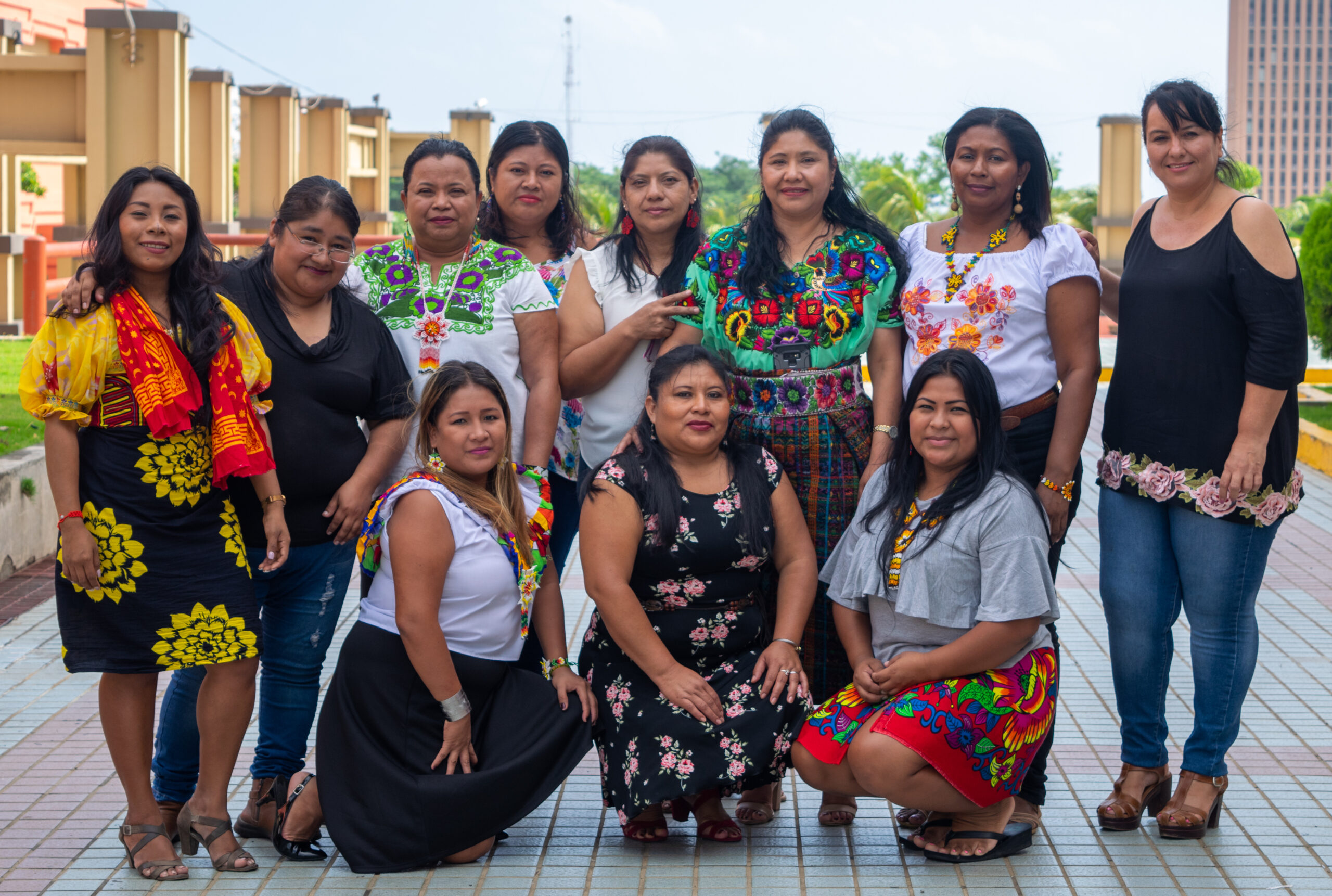
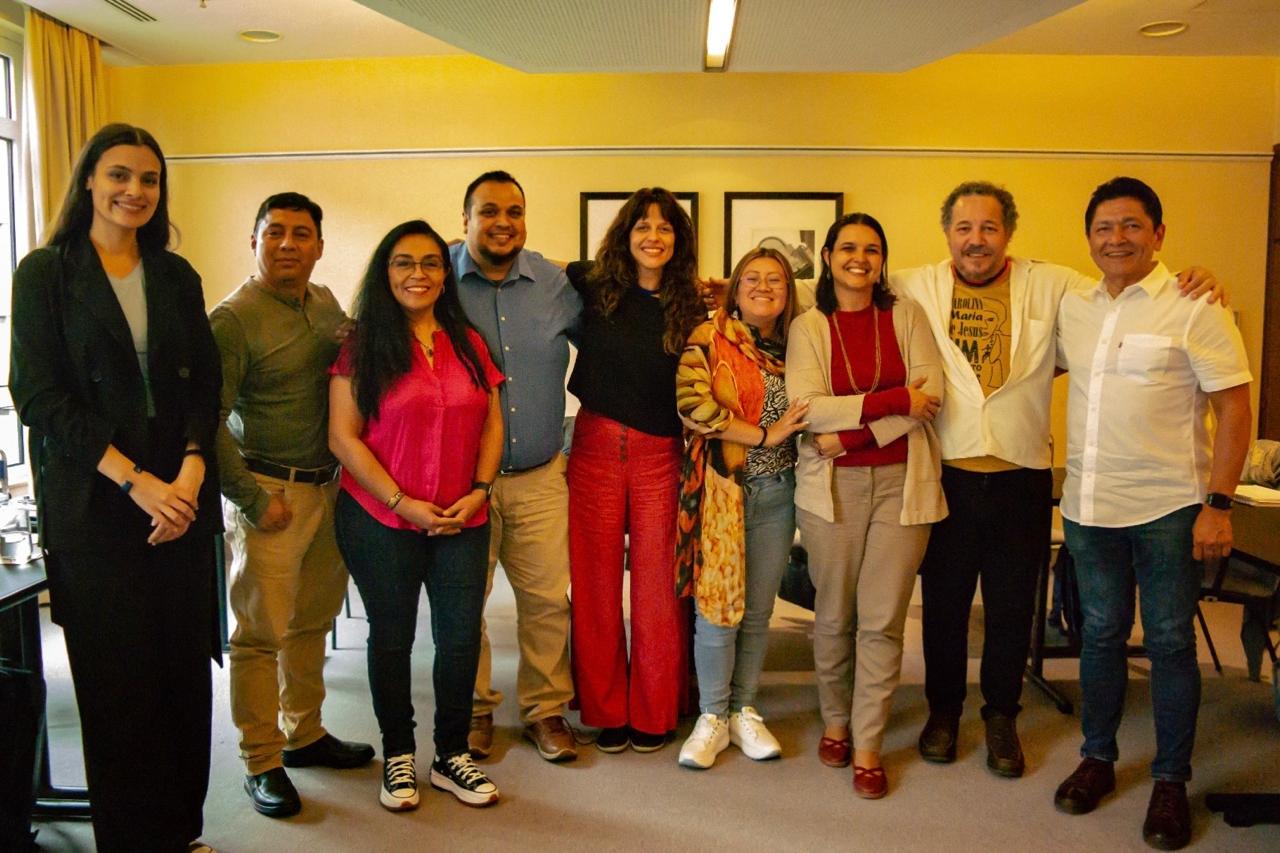
The interregional meeting of local communities, Afro-descendant peoples and other collectivities will bring together delegates from representative organizations from Latin America, Asia and Africa to agree on a collaboration on the recognition of rights in the run-up to COP30 on Climate Change.
Specific Objectives of the Meeting
- Collaboratively build a diagnosis of the situation of local communities, Afro-descendant and indigenous peoples in each region.
- Analyze the proposed criteria for identification and self-identification of local communities proposed by Latin American organizations.
- To build a joint work path for Local Communities, Afro-descendant and Indigenous Peoples towards COP30.
- To influence the Local Communities and Indigenous Peoples Platform.
- Submit to the UNFCCC Secretariat a formal request for recognition of Local Communities in the Local Communities and Indigenous Peoples Platform and in other spaces and discussions of the convention.
Mesoamerican Delegation
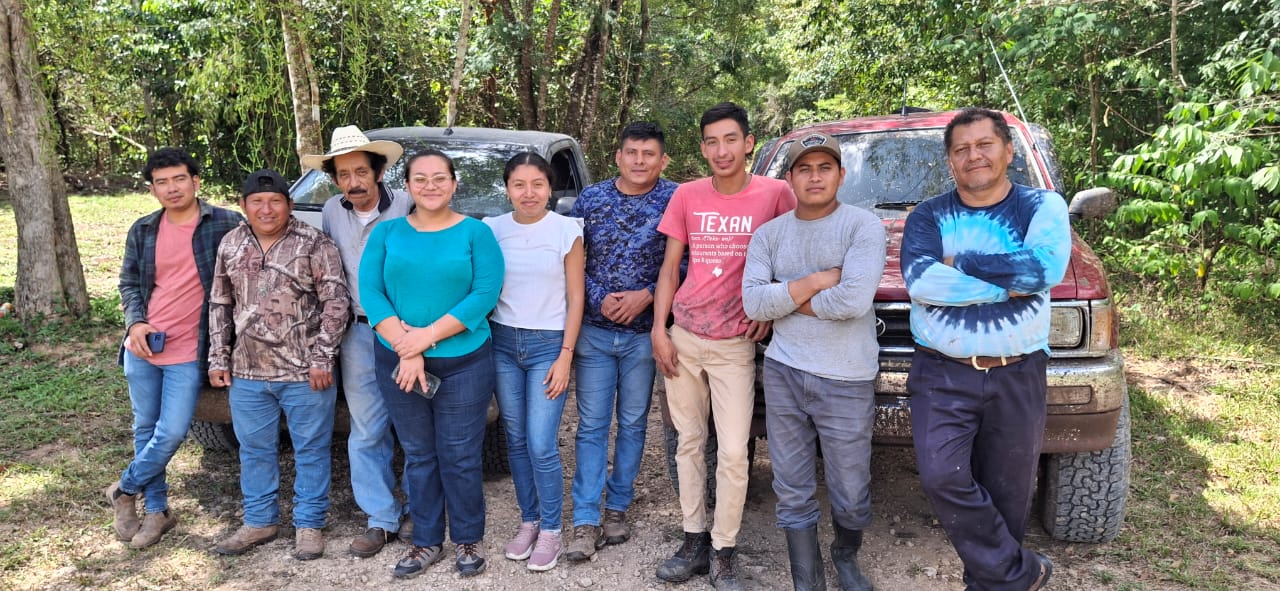
Este encuentro está siendo liderado por una delegación de la AMPB en la que se encuentran:
- Guadalupe Leyva, from Red Mocaf and vice president of the board of directors of the Coordinadora de Mujeres Líderes Territoriales.
- Dina Juc, in charge of our Law and Culture area.
- Gustavo Sanchez, president of Red Mocaf and secretary of our board of directors.
- Selvyn Perez, of the Utz Che' Community Forestry Association and treasurer of our board of directors.
SB60 and FWG 11 frame
This meeting is held prior to the 11th meeting of the Facilitative Working Group (FWG 11) to be held from May 29 to June 1, 2024 in Bonn, Germany. This event is key for the preparation of the Conference of the Parties (COP) 30 of the UNFCCC and in the framework of SB60.
The submission of the formal request to the UNFCCC Secretariat for the recognition of local communities in the Local Communities and Indigenous Peoples Platform marks a significant step towards equity and justice in the global processes of climate change, biodiversity and sustainable development.
This inter-regional meeting not only represents a crucial space for dialogue and collaboration between local communities, Afro-descendant peoples and other collectivities, but also reinforces the commitment to the struggle for the recognition and defense of territorial rights. As we approach COP30 in Brazil, the results of this inter-regional meeting will serve as a fundamental pillar in efforts to ensure that all voices are heard and that public policies are developed that consider all subjects of rights in the territories.